The Future of Private Investing Through Strategic Market Insights
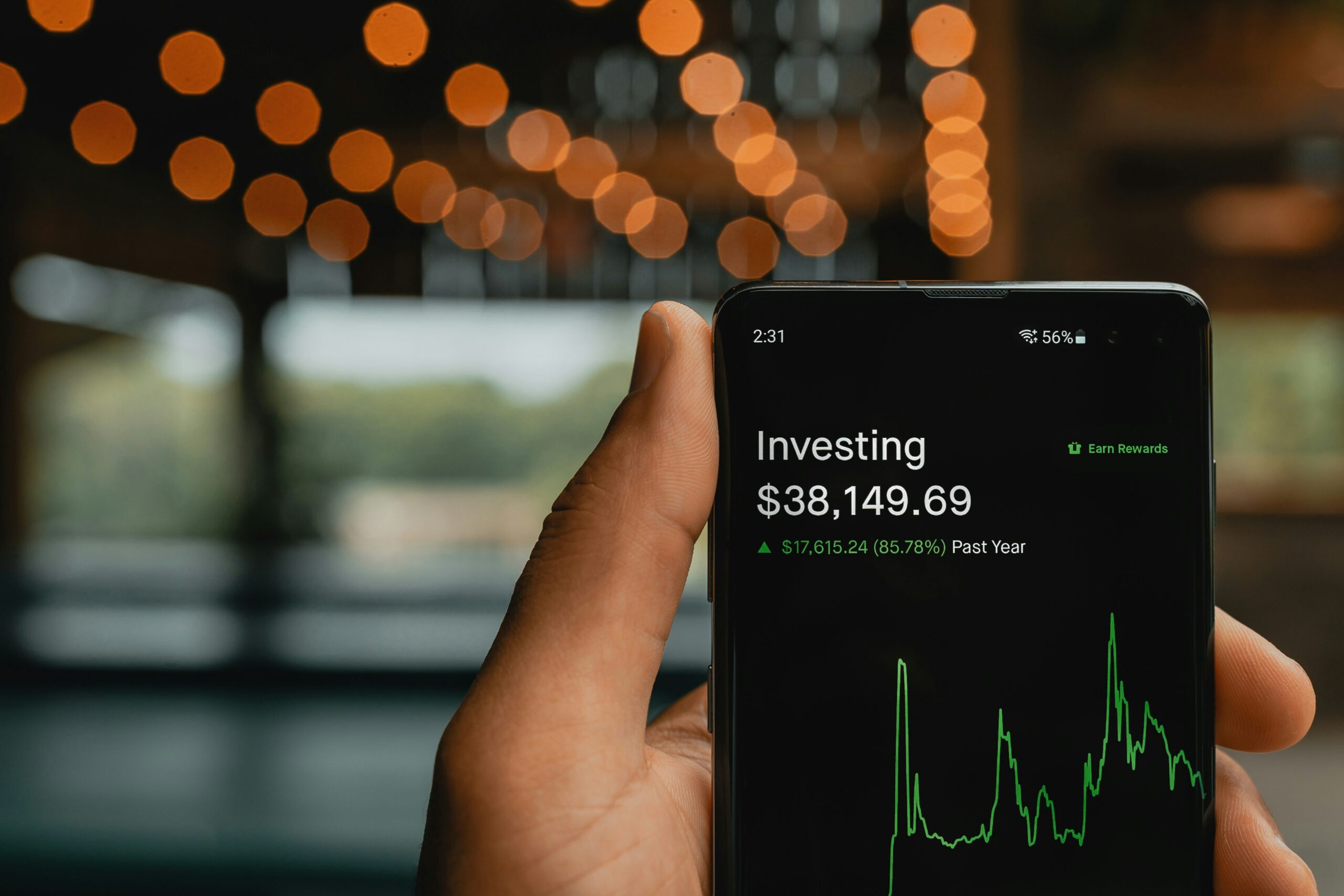
Private investing continues to evolve as investors increasingly rely on public information, digital tools, and strategic market insights to make better financial decisions. Today, investors no longer rely solely on traditional research methods, as modern technology provides faster access to data and trends. As markets grow more competitive, private investing demands smarter strategies that combine accurate information with strong decision-making skills. Moreover, investors now focus on real-time analysis, economic shifts, and consumer behavior to discover profitable opportunities. Because information moves quickly across global markets, investors who understand market intelligence can improve performance and reduce financial risk.
Public Knowledge Shapes Modern Investment Decisions
Public knowledge has become a major force in private investing because investors can now access financial reports, industry studies, and economic data within seconds. In the past, only large financial institutions had access to advanced research tools and valuable market intelligence. However, digital platforms now allow independent investors and private firms to study market conditions more efficiently. As a result, investors can compare opportunities faster and make informed decisions with greater confidence.
Moreover, public knowledge improves transparency across financial markets. Investors can monitor company earnings, consumer trends, and industry developments through online resources and data platforms. Consequently, private investing has become more competitive because information is widely available to everyone. Since investors now analyze the same public data, success depends on how effectively they interpret and apply market insights.
Strategic Market Insights Improve Investment Performance
Strategic market insights help investors understand changing trends and identify strong investment opportunities before competitors react. Investors now study consumer behavior, economic indicators, and industry performance to predict future growth areas. Therefore, private investing has shifted toward data-driven strategies that focus on long-term value instead of short-term speculation. This approach allows investors to make smarter decisions while reducing unnecessary risk.
Additionally, market insights support better portfolio management across different sectors. Investors can track market changes in real time and adjust investment strategies when economic conditions shift. For example, rising interest rates or changing consumer demand may affect certain industries more than others. Because of these insights, investors can protect assets and improve financial stability during uncertain periods.
Technology Drives Smarter Private Investing
Technology continues to transform private investing by providing faster access to financial information and investment tools. Investors now use artificial intelligence, cloud systems, and advanced analytics to review market data more efficiently. As a result, they can process large amounts of information more quickly while improving decision accuracy. This digital shift creates stronger investment strategies and faster market responses.
Furthermore, technology improves communication between investors, advisors, and financial institutions. Online investment platforms allow users to monitor portfolios, track trends, and execute trades instantly. In addition, mobile applications make investing more accessible to people around the world. Since digital innovation continues to expand, private investing will likely become even more connected and efficient in the future.
Data Analytics Creates Better Opportunities
Data analytics plays a critical role in private investing by helping investors identify profitable trends and hidden opportunities. Investors can study historical performance, customer activity, and economic forecasts through advanced software systems. Consequently, they gain deeper insights into market behavior and the potential for business growth. This information helps investors make decisions based on evidence rather than emotion.
At the same time, data analytics improves risk management during uncertain market conditions. Investors can analyze performance patterns, compare industries, and assess potential challenges before making financial commitments. Because modern markets change rapidly, accurate analysis supports stronger long-term planning. Therefore, investors who use data effectively often gain a competitive advantage in the financial world.
Economic Trends Influence Future Investments
Economic conditions strongly affect private investing because interest rates, inflation, and employment trends shape market performance. Investors closely watch economic reports to understand how changes may influence industries and consumer spending. As a result, successful investors adjust their strategies based on current financial conditions and future forecasts. This flexible approach improves decision-making and supports sustainable growth.
Moreover, global economic events now influence local investment markets more than ever before. International trade, political changes, and supply chain disruptions can impact businesses across multiple sectors. Therefore, investors must monitor both domestic and global developments when planning investment strategies. Since markets remain interconnected, economic awareness has become essential for successful private investing.
Investor Education Supports Better Decisions
Investor education has become more important as financial markets have grown more complex. Today, many investors use online courses, financial news platforms, and investment communities to improve their understanding of market behavior. Consequently, educated investors often make smarter choices and avoid unnecessary financial mistakes. Knowledge creates confidence, especially during uncertain economic periods.
In addition, educational resources help investors understand new technologies and emerging industries. For example, many investors now study renewable energy, artificial intelligence, and digital finance before entering those markets. Because industries evolve quickly, continuous learning is essential for long-term success in private investing. Therefore, informed investors remain better prepared for future market changes.
The Future of Private Investing
The future of private investing will continue to depend on strategic market insights, public knowledge, and digital innovation. Investors who adapt to changing technologies and economic conditions will likely discover stronger opportunities and achieve better financial results. At the same time, access to public information will continue to increase competition across financial markets. Therefore, investors must develop smarter strategies and stronger analytical skills to remain successful.
However, technology alone will not guarantee investment success. Investors must also focus on education, risk management, and long-term planning to build stable financial growth. As markets continue to evolve, private investing will become more data-driven, globally connected, and strategically focused. Consequently, investors who combine market intelligence with sound judgment will remain better positioned for future success.
Additional Information
- Blog
- data analytics, financial growth, traditional research methods
- Michael Christopher Venturino